1844
Elisha Sinkler arrived at Norfolk Island on the ship “Maitland”.
Also on board was Major Joseph Childs, who had come from England to replace Alexander Maconochie as Commandant of Norfolk Island.
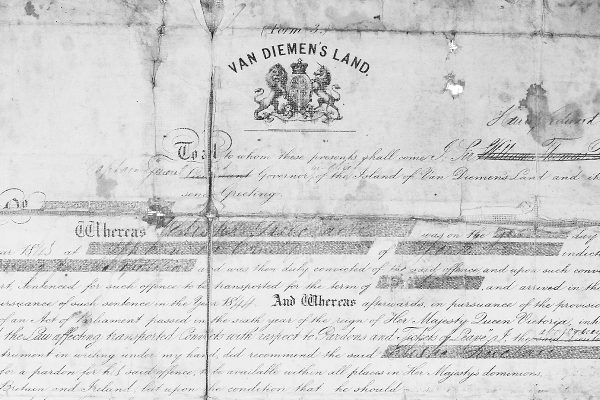
This was the start of Elisha’s second period of transportation, having escaped from New South Wales in 1841, making his way back home to England. By 1844 Norfolk Island was used as a probation station. Elisha Sinkler remained there until April 1847, when his probation period ended and he was transferred to Van Diemen’s Land.
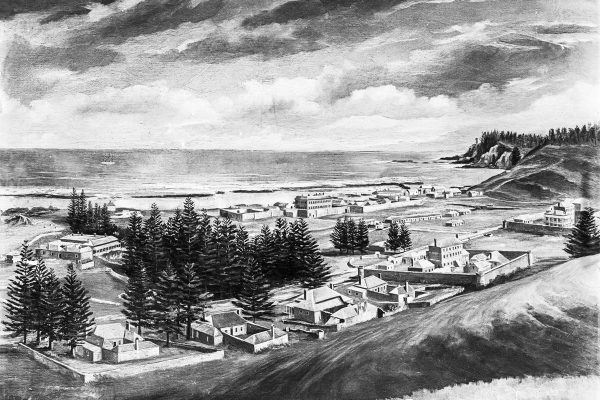
Norfolk Island
With its isolated location between Australia and New Zealand, Norfolk Island was supposedly reserved for the most hardened and habitual criminals. However, recent work by academic researchers suggests this once popular theory is incorrect. In fact, the majority of men sent to Norfolk Island were under 30 years old, were serving time for non-violent crimes such as theft, and most had been sent there for their first conviction – not exactly stereotypical “old lags”. Some men were there for crimes against the convict system itself, including returning from transportation (like Elisha), absconding, and refusing to work.
During his tenure as Commandant, Alexander Maconochie had taken a more benevolent approach to running the penal colony. He instituted the “marks system” which allowed prisoners to serve their sentences based on credits earned through hard work, study, and good conduct. He allowed convicts to have small garden plots to grow sweet potatoes, and awarded holidays for good behaviour.
This was all about to change with the arrival of Major Childs. It was unfortunate timing for Elisha Sinkler to arrive on Norfolk Island just as Childs was taking over. Despite a favourable inspection report, the British Government was outraged by Maconochie’s liberal attitude towards prisoners, and dispatched Major Childs to replace him. Over the course of the following two years, Childs did away with all Maconochie’s reforms and privileges for good behaviour, and a regime of harsh discipline and severe punishment of the prisoners was swiftly re-established.