1846
A prisoner uprising took place on Norfolk Island, where Jack & Elisha Sinkler were both serving probation. Convict resentment at Commandant Major Joseph Child’s brutal regime had been growing for some time, and on the 1st July 1846 it finally boiled over into a terrifying few hours of violence and murder. The events of that day became known as The Cooking Pot Riot.
Norfolk Island
An isolated probation station 1,200 miles off the Australian coast, Norfolk Island had previously been run by penal reformer Alexander Maconochie. He adopted a more humane approach with the prisoners; under his administration convicts could earn “marks” for hard work, study, and good conduct. He allowed them to have small garden plots to grow sweet potatoes, awarded holidays for good behaviour, shortened working hours, and let convicts have their own cooking facilities and tea kettles.
All of this came to an end with the arrival of Major Childs in 1844, aboard the same ship that carried Elisha Sinkler. The British Government had been outraged by Maconochie’s liberal attitude towards the convicts, and Childs was sent to replace him and reinstate stricter management.
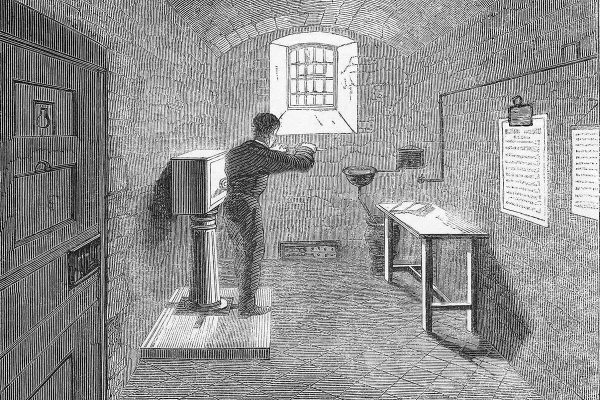
During his two years in charge, Major Childs swept away Maconochie’s reforms. Convict privileges were gone and brutal treatment returned to the island, including the increased use of punishments such as solitary confinement and flogging with the infamous “cat o’ nine tails”, for even the most minor offences. Conditions on Norfolk Island had deteriorated so badly that Major Childs’ own replacement had already set sail when events took a violent turn. Convict anger had been growing for some time, and the final straw came when Major Childs ordered the removal of cooking utensils from the convicts.
The Cooking Pot Riot
On the 1st July 1846, a group of prisoners led by 26-year-old William Westwood (known as “Jackey Jackey, the gentleman bushranger”) stormed the stores and cookhouse to retrieve their cooking pots. Things quickly descended into a full-blown riot, resulting in four men being killed: three constables and the overseer.
Once order had been restored, a trial was held for twenty-six prisoners suspected of involvement in the killings. Twelve ringleaders were executed, including Westwood, and buried in what became known as “Murderer’s Mound”. Later that year, a thirteenth man was hanged for the murder of the overseer.
Following the events of the Cooking Pot Riot, prisoner numbers were reduced to make the probation station easier to manage. Having completed his probation, Jack Sinkler was one of 95 convicts sent on to Van Diemen’s Land a month after the riot, leaving Elisha behind.